

The Short Answer
After a minor car accident in Indiana, stop and stay at the scene, check for injuries, move to a safe place if you can, and call police if anyone is hurt, the damage may be significant, the other driver leaves, or fault is disputed. Exchange information, take photos, save witness details, and get medical care if pain or symptoms appear. Avoid admitting fault, guessing about what happened, or giving detailed recorded statements before you understand your rights. Even a low-speed crash can lead to hidden injuries, repair costs, insurance disputes, and questions about compensation.
Key Takeaways
- A “minor” accident can still lead to injuries, repair bills, missed work, and insurance problems.
- Call the police if anyone is hurt, damage may be significant, the other driver leaves, or fault is disputed.
- Exchange driver, vehicle, and insurance information before leaving the scene.
- Save evidence, including photos, videos, witness names, insurance details, and medical records.
- Don’t admit fault or give detailed recorded statements before understanding your rights.
- Watch for delayed symptoms, including neck pain, back pain, headaches, dizziness, numbness, or confusion.
- Indiana’s modified comparative fault rules can affect compensation after a crash.
- Indiana car accident injury attorneys from the Ken Nunn Law Office offer a free case review for injured accident victims.
Table of Contents
- What Counts As a Minor Car Accident?
- What Should You Do Immediately After a Minor Car Accident In Indiana?
- Do You Have To Call the Police After a Minor Car Accident in Indiana?
- Should You File an Insurance Claim for a Minor Accident?
- What Not To Do After a Minor Car Accident
- What If the Minor Accident Was Not Your Fault?
- Common Injuries After Low-Speed Accidents
- How Long Do You Have to Pursue a Claim After a Minor Car Accident in Indiana?
- When Should You Contact a Lawyer After a Minor Car Accident?
- FAQs: Minor Car Accidents In Indiana
- Contact the Ken Nunn Law Office After a Minor Car Accident in Indiana
- Related Articles & Info
What Counts As a Minor Car Accident?
A minor car accident is usually a low-impact crash that causes limited visible damage and doesn’t appear to involve serious injuries at the scene. However, “minor” isn’t a legal guarantee that the accident is simple, harmless, or inexpensive. Even a small crash can lead to delayed pain, hidden vehicle damage, disputed fault, insurance problems, or medical bills that appear after you leave the scene.
Common Examples of Minor Accidents
Common examples of minor car accidents include:
- A rear-end collision at a stoplight or in traffic
- A parking lot accident
- A low-speed sideswipe
- A fender bender at an intersection
- A backing-up accident in a driveway or parking space
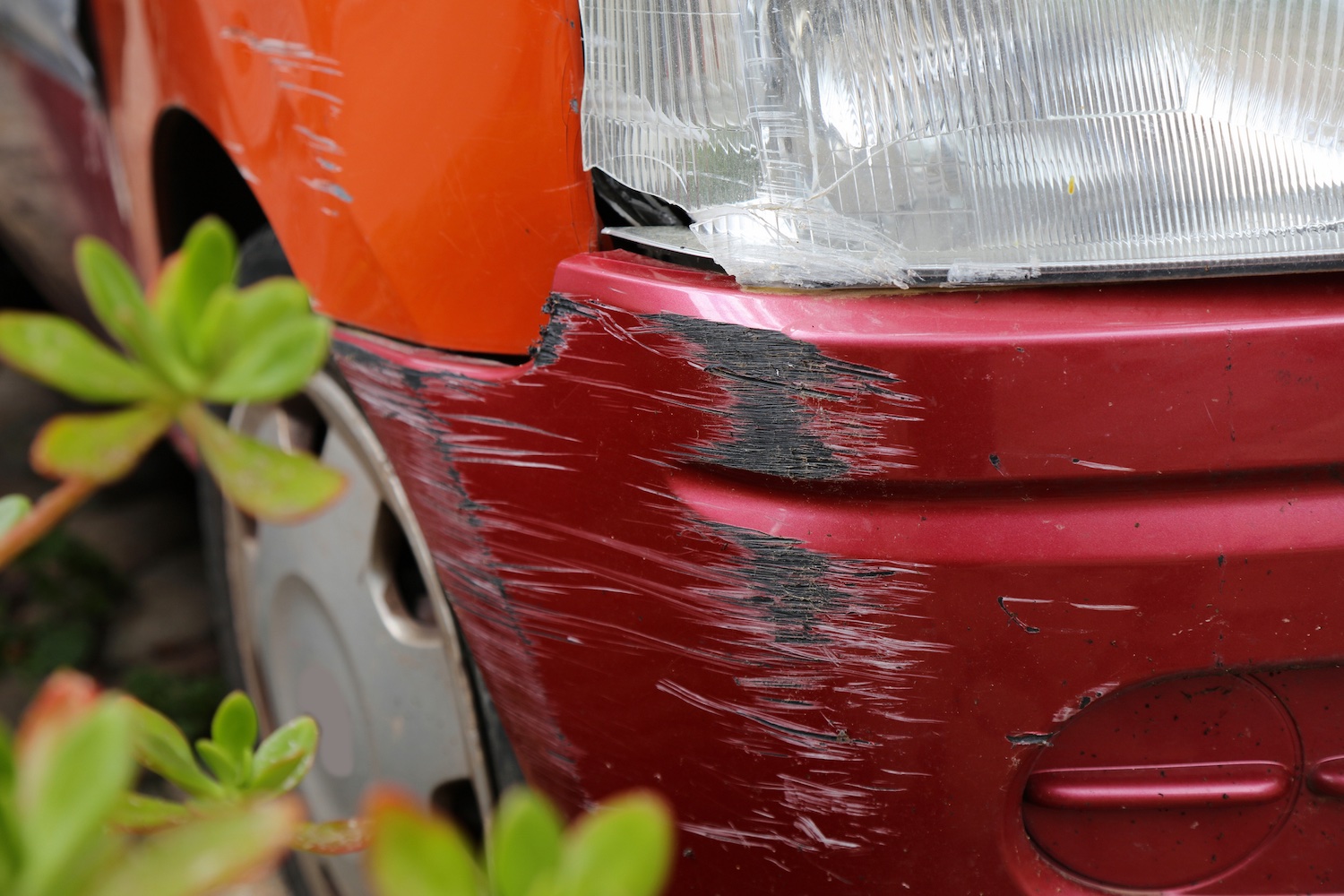
- A crash that leaves dents, scratches, bumper damage, or broken lights
- An accident where everyone initially says they feel fine
These accidents may seem manageable at first, especially if the vehicles can still be driven. Still, you should exchange information, take photos, and make a record of what happened in case damage or symptoms show up later.
Why “Minor” Doesn’t Always Mean Harmless
A crash can feel minor because it happened at a low speed or because no one needed an ambulance right away. That doesn’t mean the accident will stay simple.
Some injuries, including neck pain, back pain, headaches, soft tissue injuries, and concussion symptoms, may appear hours or days after the crash. Vehicle damage can also be worse than it looks, especially when sensors, alignment, bumpers, frames, or internal parts are affected.
Insurance issues can also come up after a minor accident. The other driver may later deny fault, change their story, or claim they were injured. An insurance company may question your injuries, repair costs, or version of events. That’s why it’s smart to treat even a minor crash carefully from the beginning.
What Should You Do Immediately After a Minor Car Accident In Indiana?
Even if the crash seems minor, what you do in the first few minutes can affect your safety, your insurance claim, and your ability to pursue compensation later. Take the situation seriously, stay calm, and focus on protecting yourself, your passengers, and the evidence.
1. Stop & Stay at the Scene
Stop your vehicle as soon as it’s safe to do so. Don’t leave the scene, even if the accident seems small or the other driver says there is no damage. Staying at the scene gives you time to check for injuries, exchange information, and document what happened.
2. Check for Injuries
Check yourself, your passengers, the other driver, and anyone else involved. If anyone is hurt, call 911 right away. Some injuries are obvious immediately, while others may not show up until later because adrenaline can mask pain after a crash.
3. Move to a Safe Area If You Can
If the vehicles are drivable and no one needs emergency medical help, move them out of traffic to a safe nearby location. Turn on your hazard lights and stay alert. If moving the vehicle would be unsafe or could make the situation worse, stay where you are and wait for help.
4. Call the Police When Required or When You Are Unsure
Call the police if anyone is injured, property damage may be significant, the other driver leaves, the other driver will not share information, or fault is disputed. When you are unsure whether a report is needed, calling the police can help create an official record of the accident.
5. Exchange Information With the Other Driver
Exchange names, phone numbers, addresses, driver’s license numbers, license plate numbers, insurance information, and vehicle details. Keep the conversation factual. You don’t need to argue about fault or explain what you think caused the accident at the scene.
6. Take Photos & Videos
Use your phone to document the scene before vehicles are moved, if it’s safe. Take photos and videos of vehicle damage, license plates, road conditions, traffic signs, skid marks, debris, weather, nearby intersections, and visible injuries. These details can help if the other driver later changes their story.
7. Get Witness Names & Contact Information
If anyone saw the crash, ask for their name and contact information. A neutral witness can help explain what happened if fault is disputed. Do this before the witness leaves, since it may be difficult to find them later.
8. Avoid Admitting Fault
Don’t apologize in a way that sounds like admitting fault, and don’t guess about what happened. Fault is based on evidence, not just what one driver says at the scene. Indiana’s modified comparative fault rules can affect compensation, so it’s important to be careful with your words.
9. Get Medical Care If You Have Pain or Symptoms
Seek medical care if you have pain, stiffness, headaches, dizziness, numbness, confusion, or any other symptoms after the crash. Even a minor accident can cause delayed injuries. Medical records can also help connect your symptoms to the accident if you need to pursue a claim.
10. Notify Your Insurance Company Carefully
Most auto insurance policies require prompt notice after an accident. When you report the crash, stick to basic facts such as when and where it happened, who was involved, and what damage you can see. Avoid guessing about fault, minimizing injuries, or giving a detailed recorded statement before you understand your rights.
Do You Have To Call the Police After a Minor Car Accident in Indiana?
You may need to call the police after a minor car accident in Indiana if someone is injured, someone dies, or the crash appears to involve a large amount of property damage.
Even when you aren’t sure whether the damage reaches that amount, calling the police can be a smart step. A police report can create a record of where the crash happened, who was involved, whether anyone was hurt, and whether witnesses were present. Indiana law also outlines information that should be included in a law enforcement accident report when possible, including
- Driver and vehicle information
- Time and place of the accident
- Injured people
- Witnesses
Should You File an Insurance Claim for a Minor Accident?
Pursuing a lawsuit may make sense when the other driver was at fault, your car needs repairs, you need medical care, the other driver doesn’t have insurance, or the insurance company is already asking questions about fault. A lawsuit can also help create a clearer record of the accident, the damage, and the costs connected to the crash.
Be careful about settling privately with the other driver. A cash offer may seem easier than involving insurance, but it can create problems if hidden damage or injuries show up later. The other driver may also deny the agreement, refuse to pay more, or claim that you caused the accident. Before accepting money or signing anything, make sure you consult a lawyer who can help you understand the full extent of your damage, injuries, and possible claim.
What Not To Do After a Minor Car Accident
After a minor car accident, avoid these common mistakes that can make insurance issues, fault disputes, or injury claims harder to deal with later:
- Don’t say “I’m fine” too quickly: You may feel okay at first because adrenaline can hide pain. Neck pain, back pain, headaches, dizziness, stiffness, numbness, or concussion symptoms may appear hours or days later.
- Don’t apologize in a way that sounds like admitting fault: Saying “I’m sorry” may feel polite, but it can be misunderstood. Stick to the facts and avoid guessing about who caused the crash.
- Don’t skip photos: Take pictures and videos of the vehicle damage, license plates, traffic signs, road conditions, skid marks, debris, weather, and the surrounding area. Photos can help if the other driver changes their story.
- Don’t give the other insurance company a detailed recorded statement too soon: Avoid guessing about speed, fault, injuries, or the value of your claim. Make sure you understand your rights before giving a detailed statement.
- Don’t ignore follow-up medical care: If a doctor recommends treatment, testing, or another appointment, take it seriously. Gaps in care can make it harder to show how the accident affected you.
- Don’t accept quick money or sign anything too soon: A fast settlement or private cash offer may not account for hidden vehicle damage, delayed injuries, missed work, or future medical bills.
Even when a crash seems minor, careful documentation and follow-up can help protect your options if problems appear later. The Ken Nunn Law Office offers a free case review if you were injured and are unsure what to do next.
What If the Minor Accident Was Not Your Fault?
If the minor accident was not your fault, you should still be careful about what you say and do after the crash. The other driver, their insurance company, or even your own insurer may still question what happened. Protect yourself by saving evidence, getting medical care if symptoms appear, and avoiding statements that could make it sound like you caused or contributed to the accident.
Fault is usually determined by reviewing evidence such as photos, videos, witness statements, police reports, vehicle damage, traffic laws, road conditions, and statements from the drivers involved. Insurance companies may also look at where the vehicles were hit, whether anyone was speeding, whether a driver failed to yield, and whether traffic signs or signals were ignored.
Indiana uses a modified comparative fault rule, which means your compensation can be affected if you are found partly responsible for the crash. For example, if the insurance company argues that you were partially at fault, that could reduce the amount you may recover. If you are found mostly at fault, it may make it much harder to pursue compensation.
That’s why you should avoid guessing about fault at the scene. Even if you believe the other driver caused the crash, focus on gathering evidence instead of arguing. Take photos, get witness names, exchange insurance information, and keep records of your injuries, repairs, and expenses.
Common Injuries After Low-Speed Accidents
A minor car accident can still cause injuries, even if the crash happened at a low speed or the vehicles only have light visible damage. Your body can absorb force suddenly, and adrenaline may mask pain right after the accident.
Common injuries after low-speed crashes may include:
- Neck pain or whiplash
- Back pain
- Shoulder pain
- Headaches
- Dizziness
- Numbness or tingling
- Soft tissue injuries
- Muscle strains
- Concussion symptoms
- Pain that appears hours or days later
You should see a doctor if you have pain, stiffness, headaches, dizziness, confusion, numbness, weakness, nausea, or any symptom that feels unusual after the crash. You should also get medical care if your symptoms get worse, keep coming back, or make it harder to work, drive, sleep, or handle daily activities.
Getting checked out can protect your health and create medical records that show when your symptoms started. That can matter if an insurance company later argues that your injuries were not connected to the accident.
How Long Do You Have To Pursue a Claim After a Minor Car Accident in Indiana?
In Indiana, injured people generally have 2 years to pursue a personal injury claim after a car accident. Indiana law imposes a 2-year deadline for actions involving injury to a person or to personal property.
That doesn’t mean you should wait. Waiting too long can make it much harder, or impossible, to pursue compensation. Evidence can disappear, witnesses can become difficult to reach, photos may be lost, and insurance companies may question delays in medical care or reporting.
Some cases can involve different rules or shorter notice requirements, especially when a government vehicle or public entity is involved. If you were injured, it’s better to get legal representation early instead of assuming you have plenty of time.
When Should You Contact a Lawyer After a Minor Car Accident?
Contact a lawyer after a minor car accident if the crash caused injuries, costs, or uncertainty about what to do next. A free case review can help you understand whether pursuing a claim makes sense and what evidence may support your case.
Consider calling a lawyer if:
- You have pain or delayed symptoms
- The other driver denies fault
- The insurance company blames you
- The insurance company offers a fast settlement
- The other driver is uninsured or underinsured
- Your repair costs are higher than expected
- You missed work
- You aren’t sure what your claim is worth
Even a minor accident can become more complicated when injuries, disputed fault, insurance delays, or unexpected bills appear.
FAQs: Minor Car Accidents in Indiana
Is It Worth Claiming for a Minor Accident?
Yes, it can be worth pursuing a claim after a minor accident if you have injuries, vehicle damage, missed work, or out-of-pocket costs. Even if the crash seemed small at first, repair bills and symptoms can become more serious after the scene is cleared.
Should I Call the Cops for a Minor Accident in Indiana?
You should call the police if anyone is injured, if the damage may be significant, if the other driver leaves the scene, if fault is disputed, or if the other driver will not share information. When you are unsure, calling the police can help create a record of the accident.
What Happens If There Is No Damage After a Minor Car Accident?
If there is truly no damage and no one is hurt, you may only need to exchange information and notify your insurance company based on your policy. Still, take photos and write down what happened in case symptoms or damage appear later.
Do I Have To Report a Minor Car Accident to My Insurance Company?
Most auto insurance policies require prompt notice after an accident. When you report it, stick to the facts. Share when and where the crash happened, who was involved, and what damage you can see. Avoid guessing about fault, injuries, or the value of the claim.
Should I File a Claim for a Minor Accident?
You should consider pursuing a claim if there is vehicle damage, injury, disputed fault, or any chance that repair costs will be higher than expected. A free case review can help you understand whether pursuing a claim makes sense.
What If the Other Driver Wants To Pay Cash?
We recommend never settling privately with cash instead of going through insurance. It may seem simple at first, but hidden vehicle damage, delayed injuries, and disputed fault can create problems later. At minimum, exchange information, take photos, and avoid signing anything before you understand the full situation.
What If I Feel Fine After a Minor Accident?
You may feel fine at first because adrenaline can mask pain. Watch for symptoms such as neck pain, back pain, stiffness, headaches, dizziness, numbness, confusion, or nausea. If symptoms appear or get worse, seek medical care as soon as you can.
What If the Minor Accident Was My Fault?
Don’t guess or admit fault at the scene. Fault is based on evidence, not just what one driver says. Indiana’s modified comparative fault rules can affect compensation, so it’s smart to talk to your attorney before making detailed statements.
Can a Minor Car Accident Cause Delayed Injuries?
Yes. A minor car accident can cause delayed injuries, including neck pain, back pain, headaches, soft tissue injuries, and concussion symptoms. These symptoms may appear hours or days after the crash. Medical care can help document your symptoms and connect them to the accident.
How Long Do I Have To Pursue a Car Accident Claim in Indiana?
Indiana generally gives injured people 2 years to pursue a personal injury lawsuit after a car accident. However, some cases may involve shorter notice requirements or different rules, especially if a government vehicle or public entity is involved. Waiting too long can make it much harder or impossible to pursue compensation, so it’s smart to ask questions early and preserve evidence as soon as possible.
Contact the Ken Nunn Law Office After a Minor Car Accident in Indiana
If you were hurt in a minor car accident or are unsure what to do next, our attorneys at the Ken Nunn Law Office can review your situation and explain your options. A minor crash can still lead to medical bills, repair costs, missed work, delayed symptoms, and insurance problems, especially if the other driver disputes fault or the insurance company questions your claim.
You don’t have to figure out the next step alone. The Ken Nunn Law Office can help you understand whether pursuing a claim makes sense, what evidence may support your case, and how Indiana’s modified comparative fault rules may affect your options.
Contact the Ken Nunn Law Office today for a free case review after a minor car accident in Indiana.
