

The Short Answer
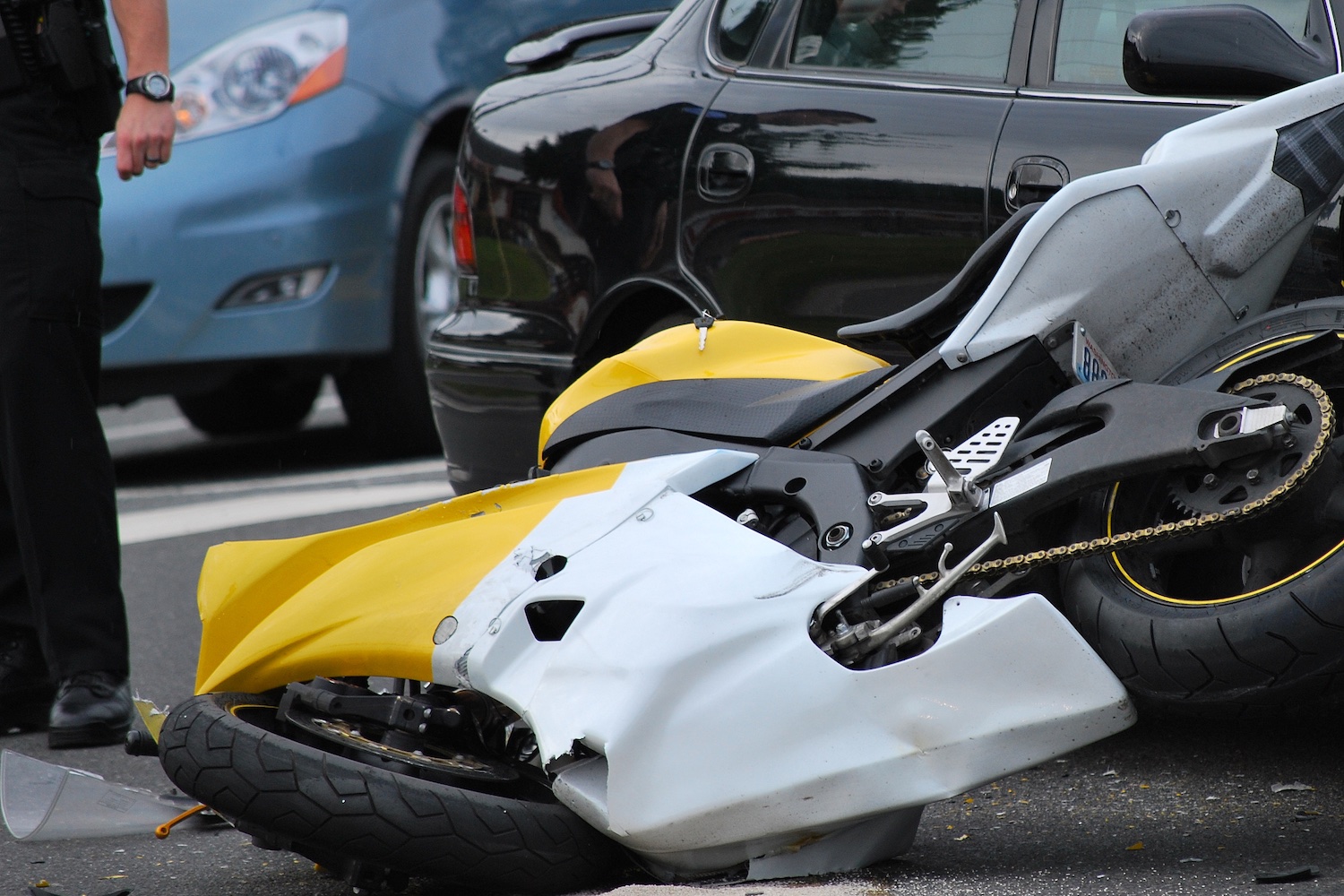
After a motorcycle accident in Indiana, call 911, get medical help, gather evidence, and avoid saying anything that could be used against you. In the days that follow, continue medical care, notify your insurance company, preserve your riding gear, and speak with a lawyer before accepting any settlement offer.
Motorcycle cases can become complicated quickly. Indiana follows a modified comparative fault rule, which means your compensation can be reduced if you are found partially at fault. The sooner you protect your health and your case, the better.
If you are unsure of what to do next, contacting the Ken Nunn Law Office early can help you avoid mistakes and understand your options.
Key Takeaways
- Call 911 immediately. Get police and medical responders to the scene.
- Seek medical care right away. Injuries may not show symptoms at first, and seeking medical care helps create important evidence.
- Do not admit fault. Even small statements can be used against you.
- Collect witness information and take photos. Evidence disappears quickly, so do it as soon as possible.
- Keep your riding gear. It may support your motorcycle insurance claim.
- Notify your insurance company carefully. Stick to the basic facts, or ask an attorney for help before you give a recorded statement.
- Avoid posting on social media. Online statements can become evidence that could be used against you, especially if you say you’re fine.
- Be cautious with early settlement offers. You cannot reopen your case once you accept. It helps to get a lawyer’s opinion before accepting a settlement.
- Understand motorcycle bias. Unfair assumptions can affect fault under Indiana’s modified comparative fault rule.
- Speak with a lawyer as soon as possible. Early legal guidance can protect your right to recover compensation.
Table of Contents
What To Do Immediately After a Motorcycle Accident in Indiana
The steps you take in the first few minutes can affect your health, your safety, and any future insurance or legal issues. Stay calm and focus on the following actions to help protect yourself and others at the scene.
1. Call 911
First, call 911 to report the accident to the police and, if there appear to be serious injuries, get emergency medical help. Even if the crash seems minor, it’s still important to have the police come to the scene.
When officers arrive, they will investigate what happened and prepare a police report. This report can become key evidence later. It may include statements from drivers and witnesses, details about road conditions, and the officer’s observations about fault.
When Do I Have To Call the Police After a Motorcycle Accident?
If your accident resulted in injuries, death, or more than $1,000 of property damage, you are legally required to call the police. But if you’re not sure how bad the property damage is, it’s best to play it safe and still call the police so they can create a police report.
2. Seek Medical Help
If anyone is hurt, including you, tell the 911 operator and request emergency medical attention. When paramedics arrive, let them examine you, even if your injuries seem minor.
Motorcycle crashes often cause serious trauma because riders have little protection. Adrenaline can also mask pain after a wreck. Let trained professionals evaluate your injuries. If they tell you that you should go to the hospital, you should listen. Getting medical care right away can protect your health and support a future case.
If you are relatively fine but someone else appears seriously injured, do not move them unless there is immediate danger, like fire or oncoming traffic. Moving a person with a possible head, neck, or back injury can make the situation worse. Wait for emergency responders, who are trained to stabilize and safely transport injured victims.
3. Don’t Say Sorry
As you talk to the police and the other party involved, be careful about what you say. Don’t say anything that could be taken as an admission of fault. Even just an “I’m sorry,” “I didn’t see them,” or “I got distracted” could prevent you from recovering compensation. Insurance companies may also use that to reduce what you could be paid for your injuries.
When the police ask you what happened during the accident, don’t speculate about who was at fault. Just tell them the most basic version of events. An attorney can help you handle all necessary communications and pursue a lawsuit for your injuries.
4. Exchange Information With the Other Party
You should also exchange information with the other driver. Get their:
- Name
- Phone number
- Address
- Driver’s license number
- License plate number and vehicle description
- Insurance company and policy number
Do not argue about fault at the scene. Stick to gathering information and cooperating with law enforcement.
5. Collect Contact Information From Witnesses
If you’re physically able, try to identify anyone who saw the accident happen. Ask for their name and contact information, including a phone number or email address.
Witness statements can be especially important in motorcycle accidents. Riders are often unfairly blamed after a crash. Some drivers may claim they “didn’t see” the motorcycle or argue that the rider was speeding or weaving through traffic. An independent witness can help clarify what actually happened. Witness statements can also support your case if fault is disputed.
If you can, try to take statements at the scene or in the following days. Over time, memories fade, so it’s best to collect statements as soon as possible. If possible, ask witnesses to remain at the scene to speak with police so their observations can be included in the accident report.
6. Take Pictures and Videos
If you are physically able and it is safe to do so, use your phone to document the accident scene before vehicles are moved.
Take clear photos of:
- All vehicles involved, including damage from multiple angles
- The position of the vehicles in the roadway
- Skid marks or debris
- Traffic signals, stop signs, or road markings
- Weather and road conditions
Short videos can also help capture the overall scene in context.
Skid marks, debris patterns, and vehicle placement can all become important evidence later. Capture everything you can now because once vehicles are towed and the roadway is cleared, that information is gone.
What To Do in the Days and Weeks After the Accident
The steps you take after leaving the accident scene can affect both your recovery and your ability to recover compensation. Insurance companies may begin investigating right away. At the same time, injuries can worsen or become more noticeable in the days that follow. Acting carefully during this period can help protect your health and your rights.
Seek Medical Care
If you didn’t need or seek emergency medical care directly after the accident, you should see a doctor as soon as possible. You might feel fine after the crash, but adrenaline can hide injuries. Get checked out as soon as possible and make sure to tell your provider you were in an accident. This helps create evidence that shows your injuries came from the accident, which you’ll need if your case goes to court.
Make sure you follow through with all the instructions your doctor gives you. If there are gaps in your medical care, then it might be harder to connect your injuries to the accident, which can hurt your case.
Keep Your Riding Gear
Your riding gear can be important evidence for a motorcycle insurance claim or motorcycle accident lawsuit. Don’t throw it away. Damage to your gear can be supporting evidence of your injuries as you pursue a lawsuit.
Notify Your Insurance
Most insurance policies require you to notify your company within a reasonable time after an accident. Even if the other driver was clearly at fault, you should still report the crash to your own insurer.
When you call, stick to the basic facts:
- The date, time, and location of the accident
- The vehicles involved
- Whether there were injuries
Avoid speculating about fault or giving a recorded statement without understanding your rights. Insurance adjusters may ask questions that seem casual but are designed to limit what the company has to pay. Always speak with an attorney before giving a recorded statement. They can help you avoid common tactics that insurance companies use to avoid giving you what your case is worth.
Quickly reporting the accident can protect your coverage. Being careful about what you say helps protect your ability to recover compensation.
Contact an Indiana Motorcycle Accident Attorney
You should talk to a lawyer as soon as you can after an accident, especially before talking to insurance companies. Getting legal help early on can help you avoid common mistakes that might affect your ability to recover compensation.
An attorney can explain what information you are required to provide and what questions you are not obligated to answer. If you choose to hire a lawyer, they can deal with insurance companies on your behalf so you are not pressured into accepting a quick settlement.
A motorcycle accident lawyer can also gather and preserve evidence, review the police report, speak with witnesses, and consult experts when needed to understand the full extent of your injuries. This helps us ensure that any settlement discussions reflect the true impact of the accident.
If a fair resolution cannot be reached, our attorneys can pursue a lawsuit and manage the legal process while you focus on your recovery.
Avoid Posting on Social Media
After a motorcycle accident, you should avoid posting details, photos, or updates about the crash on social media. Insurance companies often review public posts during an investigation.
Even an innocent photo or comment can be taken out of context and used to question the seriousness of your injuries. For example, a picture of you smiling at a family event may be used to argue that you are not in pain.
It is also best to avoid discussing who was at fault or describing what happened. Statements made online can become evidence later. Consider adjusting your privacy settings and asking friends and family not to tag you in posts while your case is ongoing.
What Is Motorcycle Bias?
Motorcycle bias refers to the unfair assumptions some people make about riders. In Indiana, where motorcycles share the road with farm equipment, heavy trucks, and fast-moving highway traffic, riders are often viewed as “risk-takers” simply because of the vehicle they choose.
After a crash, it’s common to hear statements like:
- “I didn’t even see the motorcycle.”
- “They must have been speeding.”
- “Motorcycles weave in and out of traffic.”
These assumptions can shape how fault is viewed from the very beginning and can even make the process take longer. Police reports, insurance investigations, and settlement discussions may start with an unspoken belief that the rider did something wrong.
But Indiana crash data consistently shows that many motorcycle accidents happen because drivers fail to yield, misjudge distance when turning left, or overlook motorcycles at intersections. Visibility issues and driver inattention are frequent causes—not reckless riding.
Bias matters because Indiana follows a modified comparative fault rule. If you are found more than 50% at fault, you may not be able to recover compensation. Even being assigned a small percentage of fault can reduce what you recover. That makes it especially important to challenge unfair assumptions early and support your case with strong evidence. If you’re worried about being hit with anti-rider bias in your case, request a free consultation with our team of lawyers.
FAQs for After a Motorcycle Accident
I Wasn’t Wearing a Helmet. Do I Still Have a Case?
Yes.
Indiana law only requires helmets for riders and passengers under 18 years old and for those with a learner’s permit. If you are over 18 and properly licensed, you are not legally required to wear a helmet.
Not wearing a helmet does not automatically prevent you from recovering compensation. The key question is whether the other driver caused the crash. A lawyer can help evaluate how helmet use may affect your specific situation.
What if My Accident Was Caused by a Road Hazard?
If your motorcycle accident was caused by a road hazard—such as loose gravel, road debris, nails, or potholes—you may still have a case. Motorcycles are especially vulnerable to surface hazards that might not seriously affect larger vehicles.
The next step is determining who was responsible for maintaining that stretch of road. In Indiana, maintenance may fall to a city, county, or the state. If a government agency failed to repair a dangerous condition within a reasonable time, it may be possible to pursue a lawsuit. However, these cases have special notice requirements and shorter deadlines than most other injury lawsuits. Missing those deadlines can affect your ability to recover compensation, but a lawyer can help you meet these deadlines.
In some situations, a private construction company, contractor, or property owner may be responsible for leaving debris, nails, or unsafe road conditions behind. Because road hazard cases often depend on proving notice and maintenance responsibility, gathering evidence quickly is important.
How Much Does an Indiana Motorcycle Accident Lawyer Cost?
At the Nunn Law Office, we work on a contingency fee basis. That means you owe us nothing unless we win compensation for you.
Our fee is a percentage of the compensation we recover for you. If there is no recovery, you do not owe us attorney fees. This allows you to pursue a motorcycle accident case without adding financial pressure while you are dealing with medical bills and missed work.
During your consultation, we will explain how the fee structure works and answer your questions so you understand what to expect before making any decision.
What if I Was Hit by an Uninsured or Underinsured Driver?
Even if the driver who hit you does not have insurance or doesn’t have enough to cover your injuries, you may still have options.
Some motorcycle insurance policies in Indiana include uninsured motorist (UM) or underinsured motorist (UIM) coverage. This type of coverage applies when the at-fault driver cannot fully pay for the harm they caused. However, coverage depends on the terms of your specific policy.
Because policy language and coverage limits matter, reviewing your insurance policy carefully is important. A lawyer can help you understand what coverage may be available and what steps to take next.
Should I Take the First Settlement That Insurance Offers?
Generally, no.
The first settlement offer is often lower than what you deserve. Before you accept any offer, you should speak with a motorcycle accident lawyer who can help you determine if you’re getting a fair deal.
Insurance companies sometimes make quick offers to limit what they pay. Settling early means they won’t risk paying for the full extent of your injuries.
An early offer may leave out compensation for:
- Future medical care
- Lost wages
- Reduced ability to work
- Pain and suffering compensation
Once you accept a settlement and sign a release, you cannot reopen your case.
At the Nunn Law Office, we have more than 50 years of experience dealing with insurance companies across Indiana. We can review the offer, explain your options, and help you decide whether it reflects the true impact of your accident.
What Should I Do After a Rental Motorcycle Accident?
If you were injured while riding a rental motorcycle, take the same immediate steps you would after any crash. Seek medical care, report the accident, and gather as much evidence as possible.
Since rental agreements can add an extra layer of complexity, you should also report the accident to the rental company as soon as possible. And you should review your rental contract carefully, especially any section about insurance coverage or liability.
The rental agreement may affect insurance coverage for your case. There may be questions about who is responsible for property damage, maintenance issues, or equipment defects. A lawyer can help deal with these questions.
Before speaking in detail with insurance companies or signing any paperwork from the rental company, consider speaking with a lawyer. At the Nunn Law Office, we can review the rental agreement, examine the insurance coverage involved, and help you understand your options moving forward.
Talk to an Indiana Motorcycle Accident Lawyer Today
A motorcycle accident can change your life in seconds. The steps you take in the hours, days, and weeks that follow can affect your health, your finances, and your ability to recover compensation.
From seeking medical care and preserving evidence to dealing with insurance companies, every decision matters. Insurance adjusters begin building their case right away. You should have someone building yours.
At the Ken Nunn Law Office, we have spent decades representing injured riders across Indiana. We understand motorcycle bias, serious injury cases, and how insurance companies approach these claims. Our team works on a contingency fee basis, so you do not pay attorney fees unless we recover compensation for you.
If you or a loved one has been injured in a motorcycle accident, contact the Ken Nunn Law Office for a free consultation. We can review your situation, explain your options, and help you take the next step with confidence.
